
Introduction
As countries search for reliable low-carbon energy sources, Nuclear Engineering continues to play a major role in global electricity production. While nuclear energy offers stable power generation with low greenhouse gas emissions, one issue continues to attract attention from governments, environmental organizations, and the public alike: nuclear waste management.
Today, nuclear power companies are investing heavily in safer, more efficient, and more sustainable methods of handling radioactive waste. From dry cask storage systems to deep geological repositories, the nuclear industry has developed multiple solutions designed to protect both people and the environment for generations.
This article explores the importance of nuclear waste management, the different disposal and storage options available, and how modern nuclear companies are improving long-term sustainability.
What Is Nuclear Waste?
Nuclear waste, also called radioactive waste, refers to materials that become radioactive during the process of generating nuclear power. Most nuclear waste comes from used nuclear fuel removed from reactors after it can no longer efficiently produce energy.
There are several categories of nuclear waste:
Low-Level Radioactive Waste (LLW)
This includes protective clothing, filters, tools, and equipment exposed to radiation in nuclear facilities. Low-level waste typically contains smaller amounts of radioactivity and can often be safely stored in specialized facilities near the surface.
Intermediate-Level Waste (ILW)
Intermediate-level waste contains higher concentrations of radioactive materials and may require shielding during handling and transport.
High-Level Radioactive Waste (HLW)
High-level waste primarily consists of spent nuclear fuel and byproducts from nuclear reactors. This category requires the highest level of containment and long-term management due to its heat generation and radioactivity.
Understanding these waste categories is essential for selecting the correct nuclear waste disposal methods.
Why Nuclear Waste Management Is Important
Protecting Human Health
The primary goal of radioactive waste management is protecting people from unnecessary radiation exposure. Proper containment systems help prevent radioactive materials from contaminating water, soil, or air.
Environmental Protection
Safe nuclear waste storage prevents environmental contamination and helps maintain ecosystems near nuclear facilities. Modern containment systems are designed to withstand earthquakes, floods, and extreme weather events.
Supporting Clean Energy Goals
Many countries are turning to nuclear energy as part of their carbon reduction strategies. Effective nuclear waste solutions help strengthen public confidence in nuclear energy as a long-term clean power source.
Regulatory Compliance
Nuclear power companies must follow strict international and national regulations regarding radioactive waste disposal. Agencies such as the International Atomic Energy Agency establish safety guidelines used worldwide.
Common Nuclear Waste Management Options
There is no single solution for all radioactive waste. Instead, the nuclear industry uses multiple storage and disposal methods depending on the type and level of radioactivity involved.
1. Spent Fuel Pools
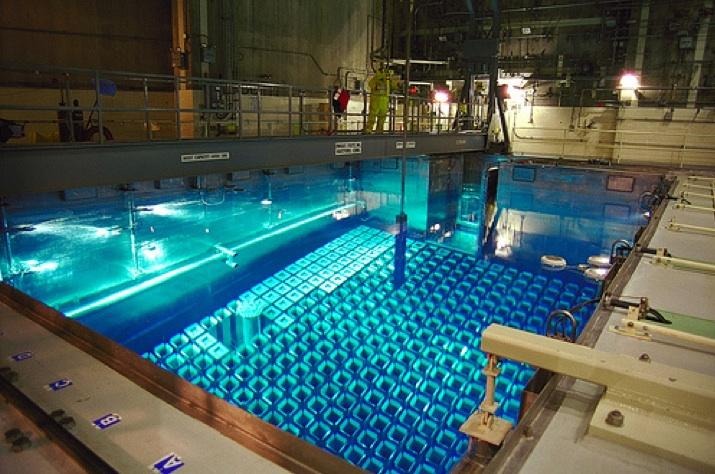
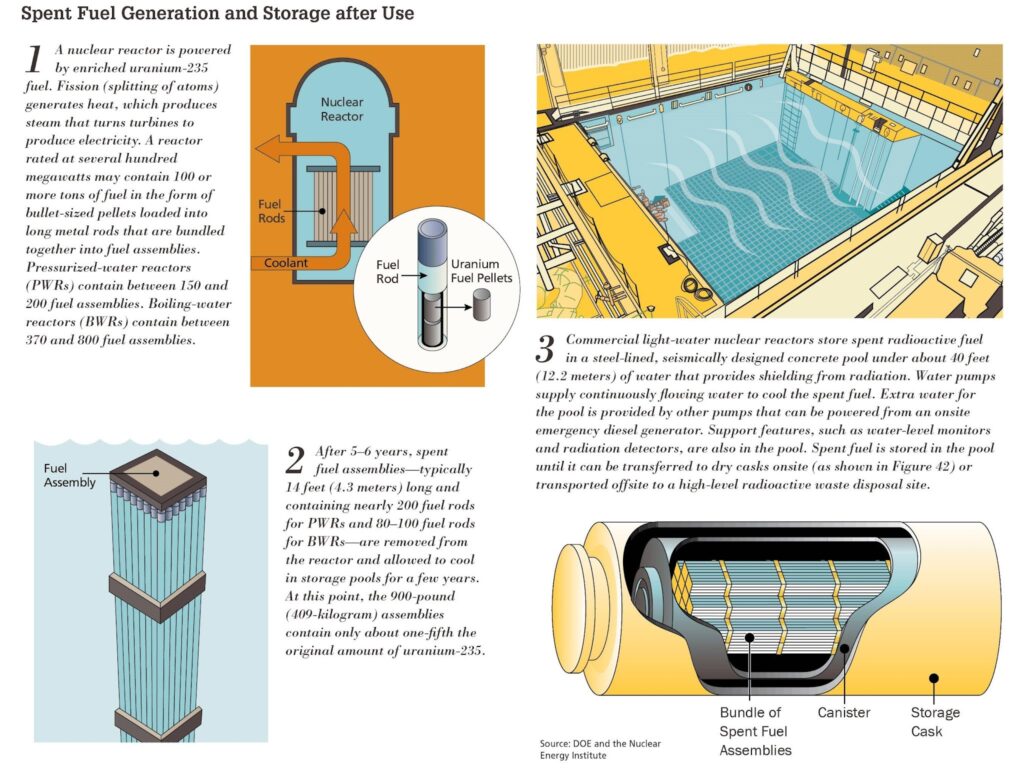
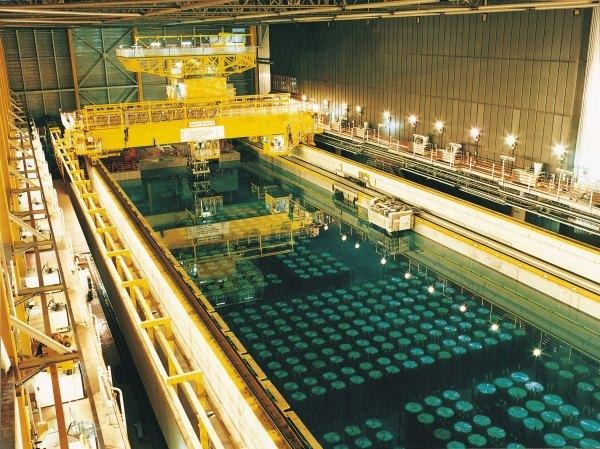
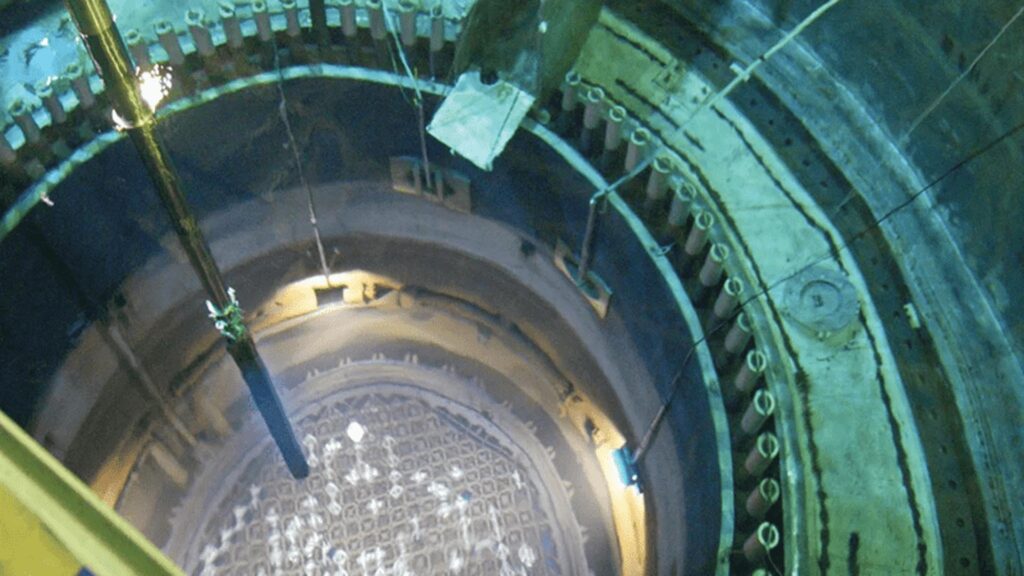
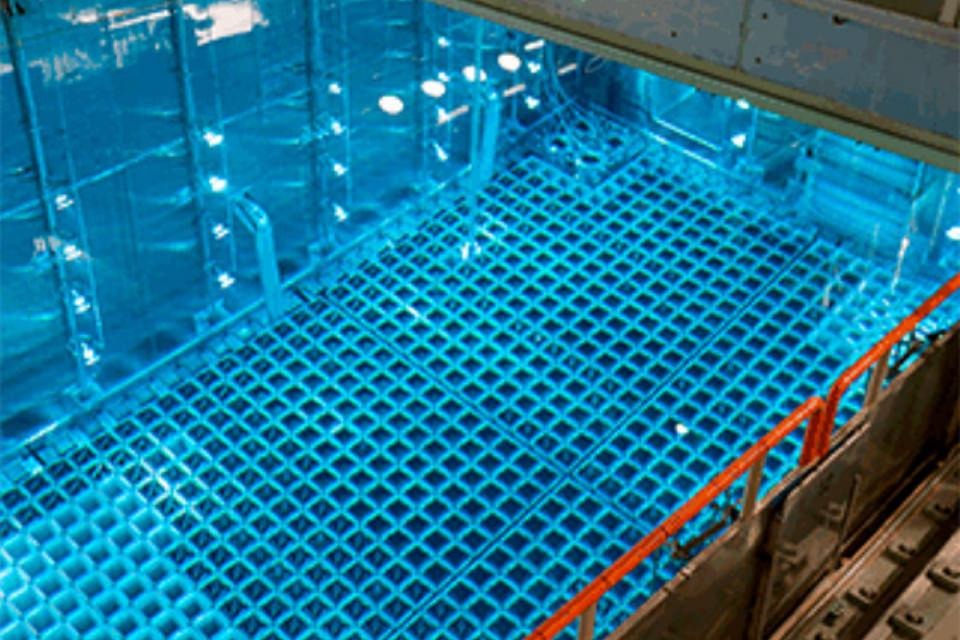
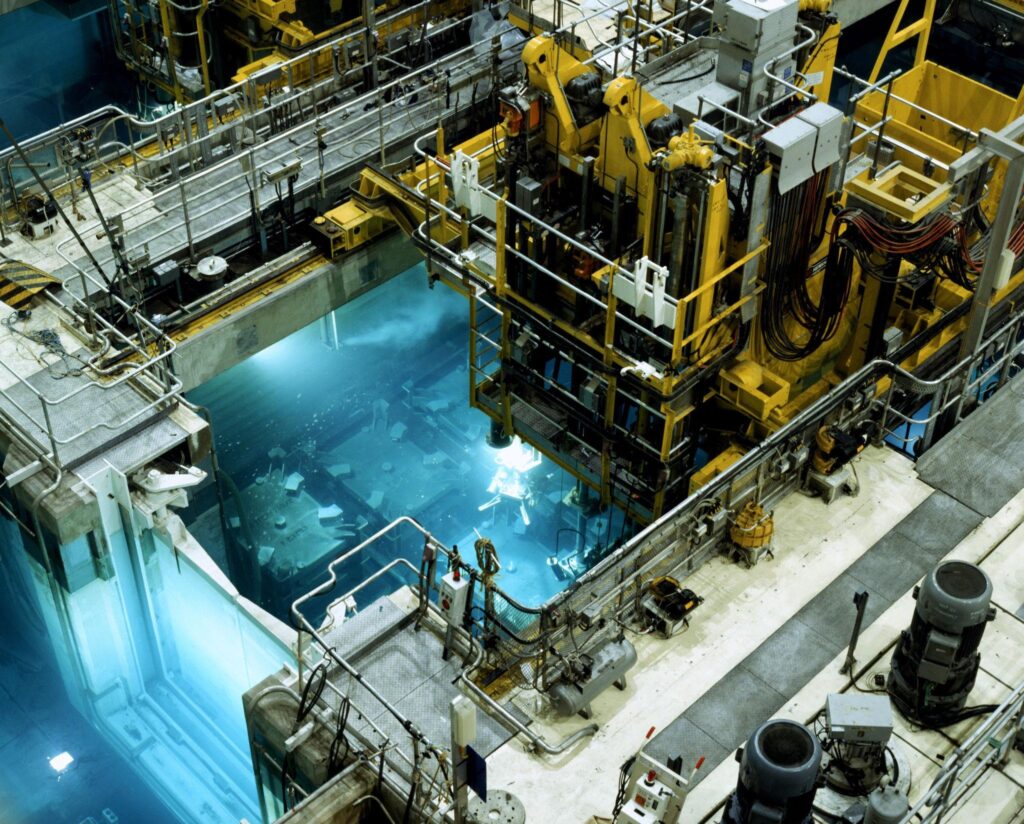
After fuel is removed from a reactor, it is usually placed in a spent fuel pool filled with water. The water cools the fuel and provides radiation shielding.
Benefits of Spent Fuel Pools
- Proven and widely used technology
- Effective cooling for newly removed fuel
- Secure containment environment
Challenges
- Requires active cooling systems
- Limited storage capacity over long periods
- Higher operational maintenance costs
Spent fuel pools are generally considered a temporary nuclear waste storage solution before fuel is moved elsewhere.
2. Dry Cask Storage Systems
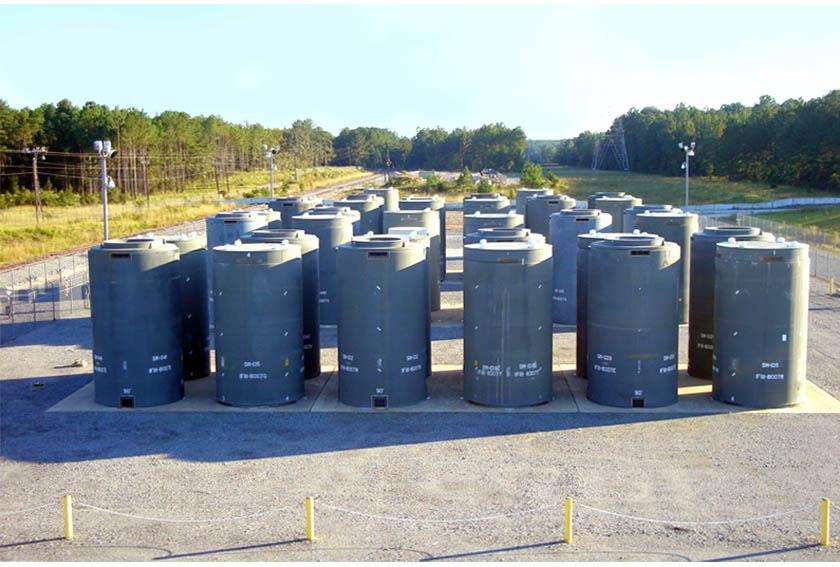
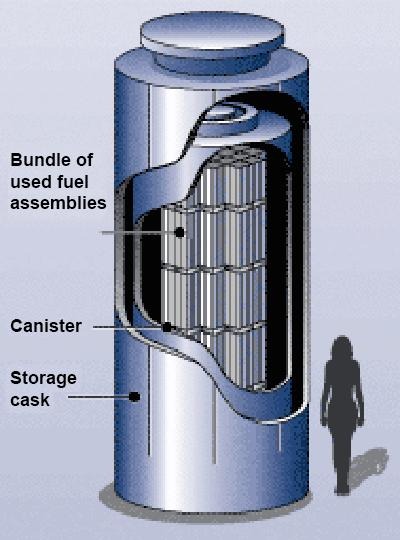
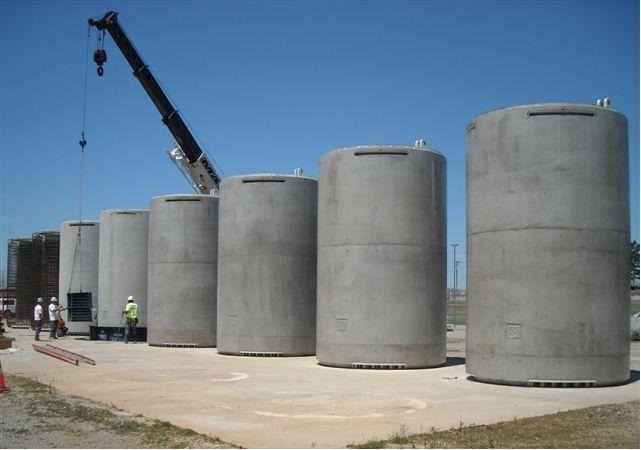
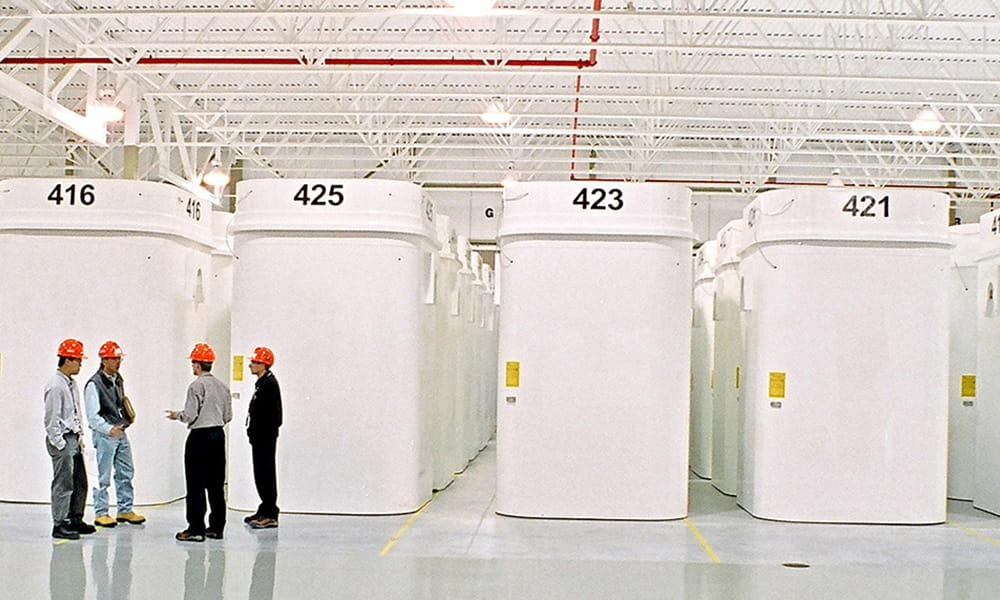
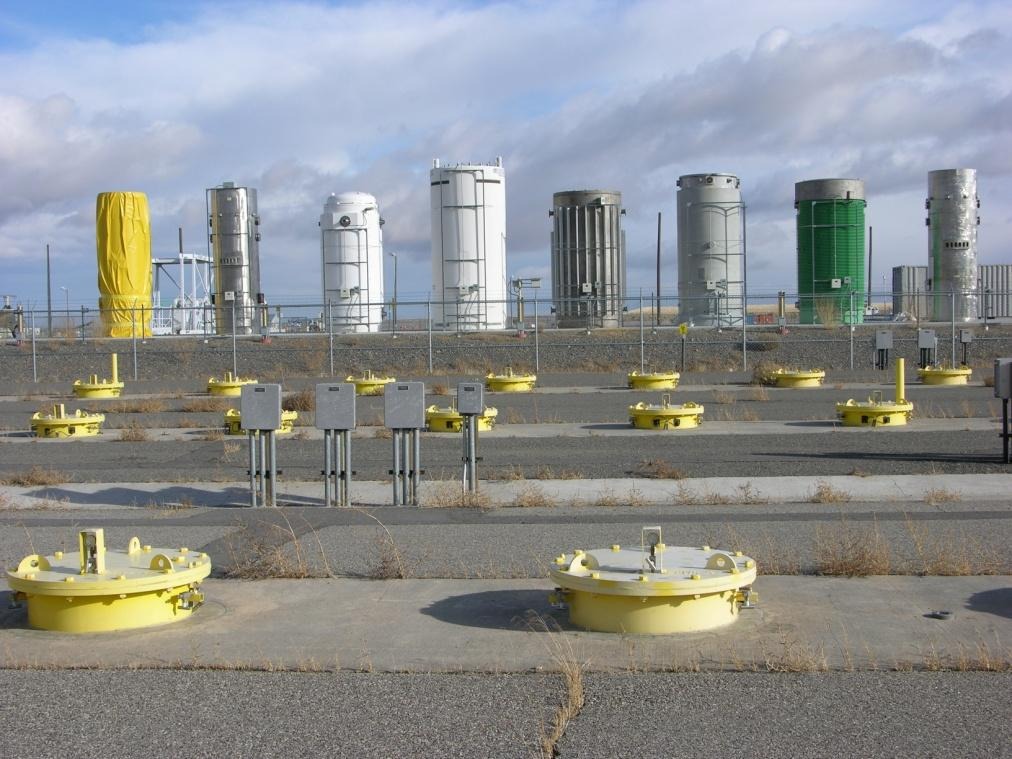
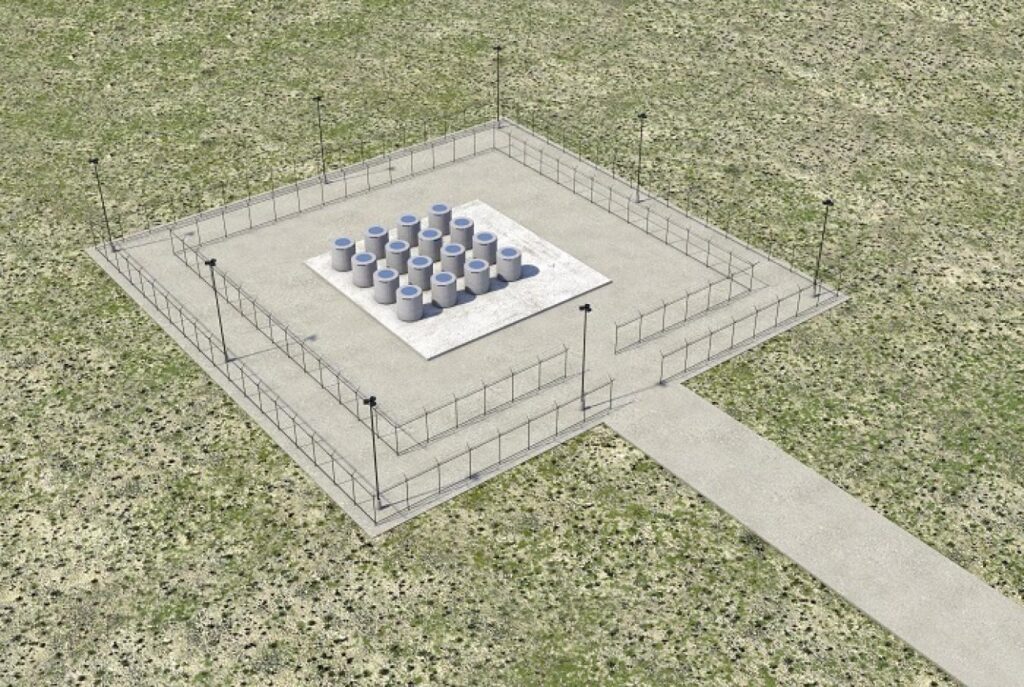
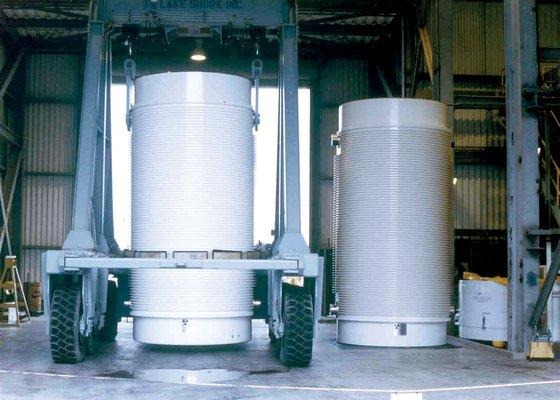
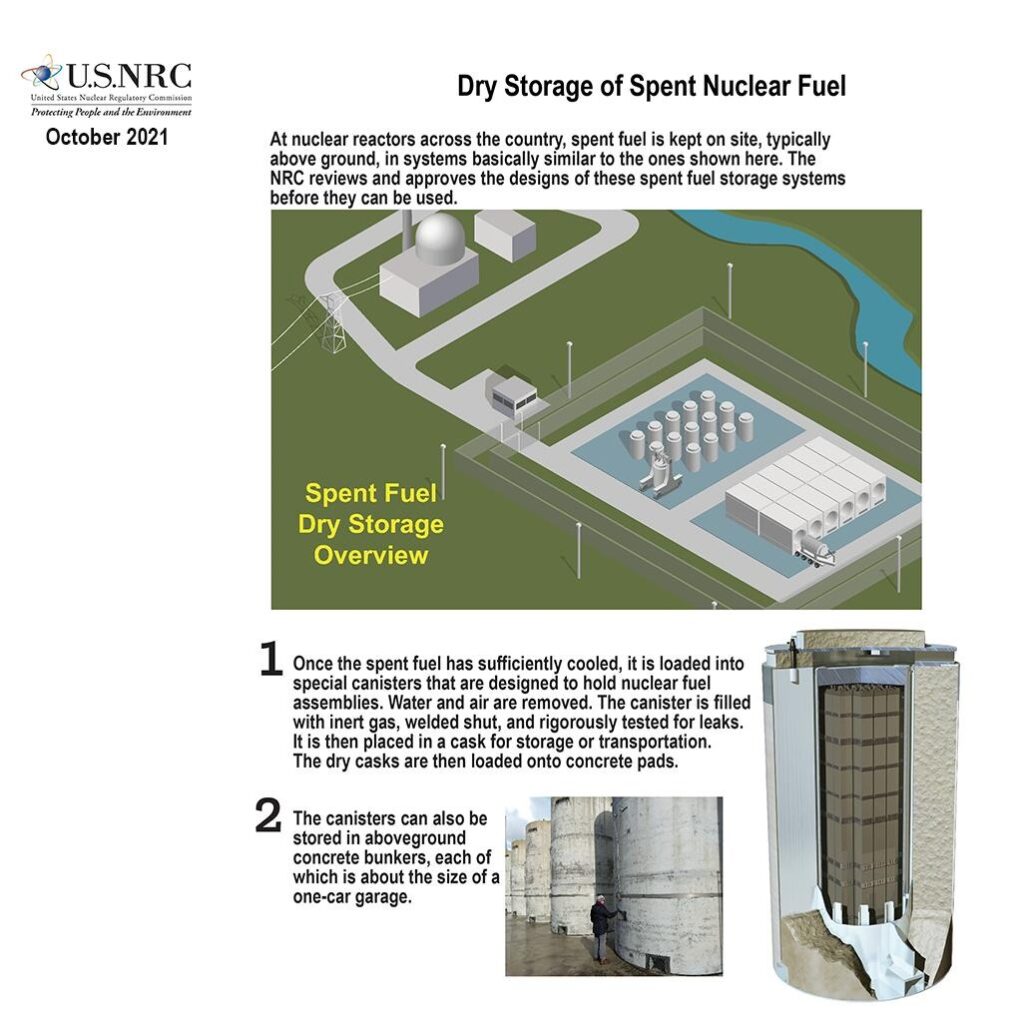
Once spent fuel cools sufficiently, it can be transferred into dry cask storage containers made from steel and concrete.
Dry cask storage is one of the most common long-term interim solutions used by nuclear energy companies today.
Advantages of Dry Cask Storage
- Passive cooling systems
- Strong resistance to natural disasters
- Lower maintenance requirements
- High security standards
Limitations
- Still considered an interim solution
- Requires secure monitoring and facility management
Many experts view dry cask storage for nuclear waste as a reliable option while permanent repositories are developed.
3. Deep Geological Repositories
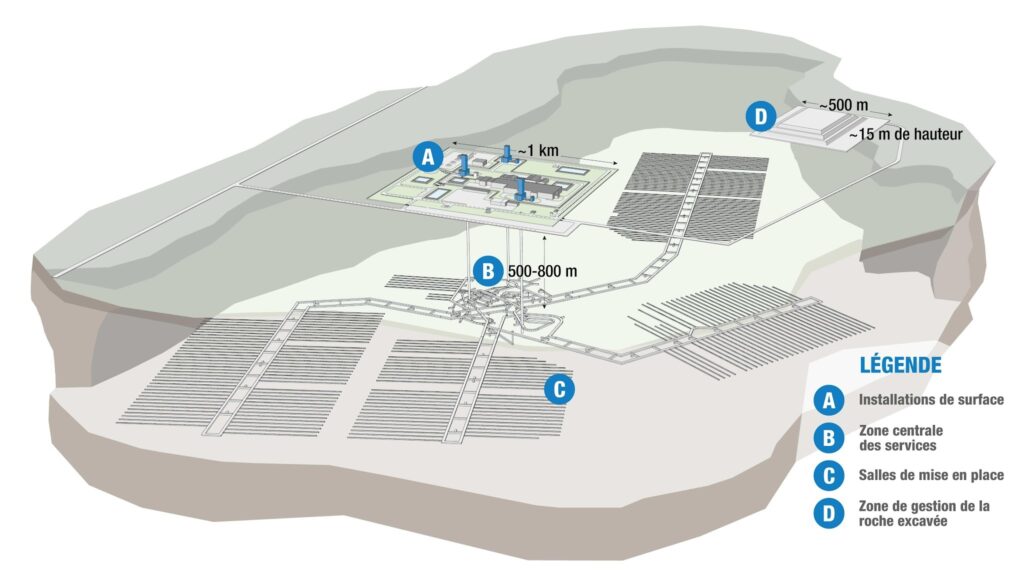
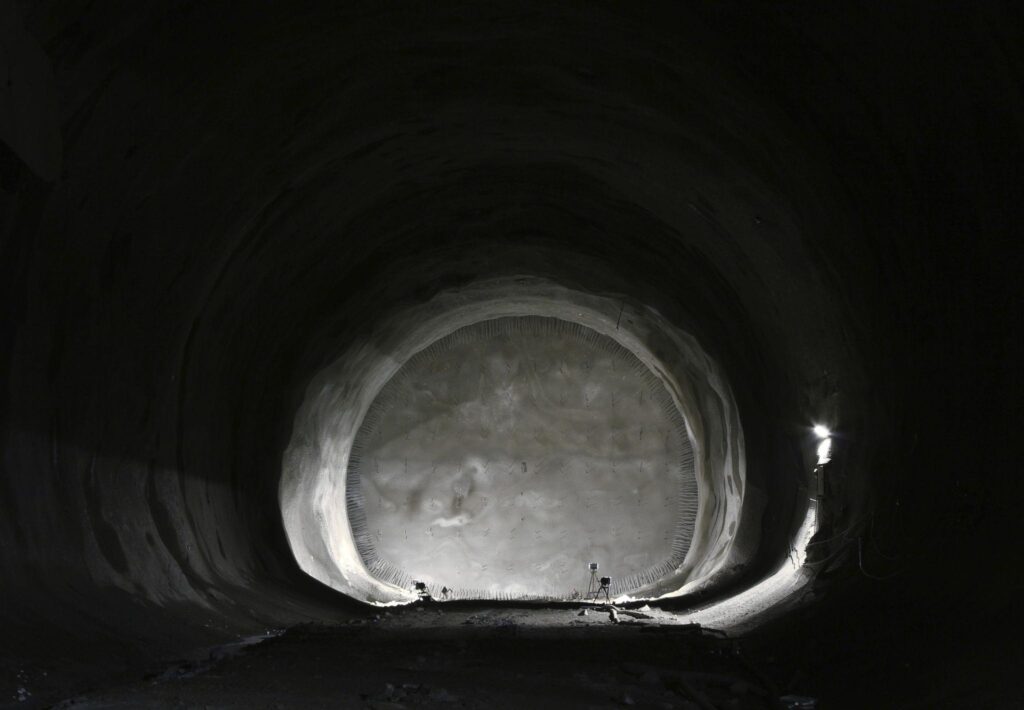
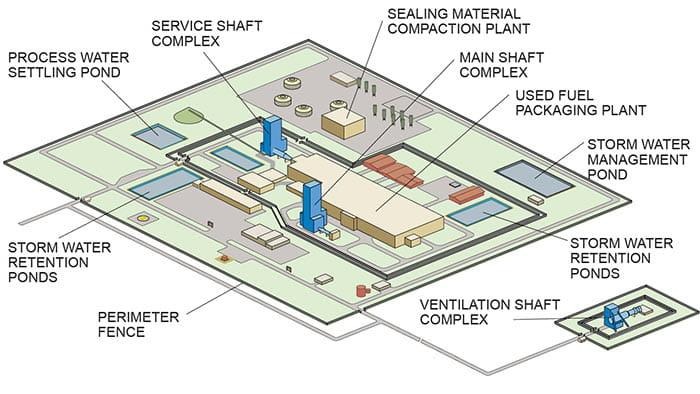
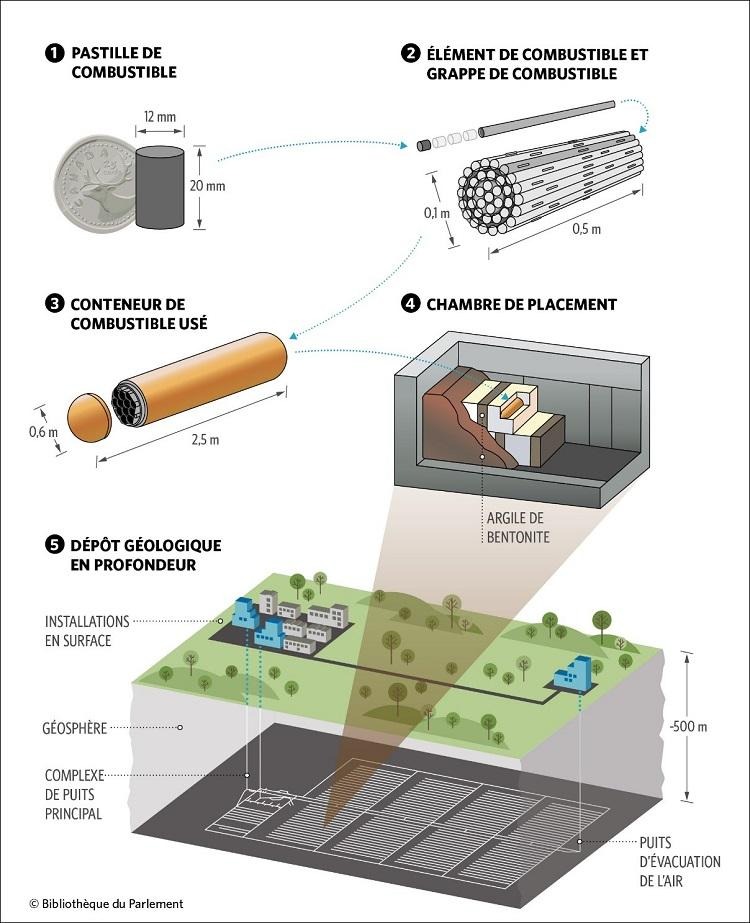
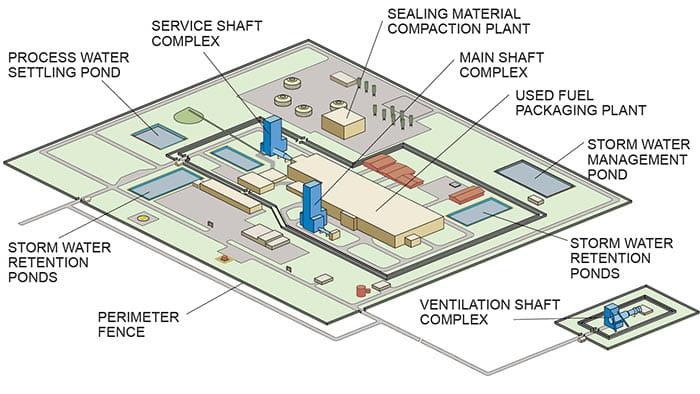
Deep geological repositories are designed for permanent disposal of high-level radioactive waste deep underground in stable rock formations.
Countries including Finland and Sweden are leading development efforts in this area.
Why Geological Disposal Is Important
The goal is isolating radioactive materials from the biosphere for thousands of years using multiple engineered and natural barriers.
Key Features
- Located hundreds of meters underground
- Built in geologically stable formations
- Uses corrosion-resistant containers
- Designed for long-term passive safety
Many scientists consider geological repositories the most sustainable nuclear waste disposal option currently available.
4. Nuclear Waste Reprocessing
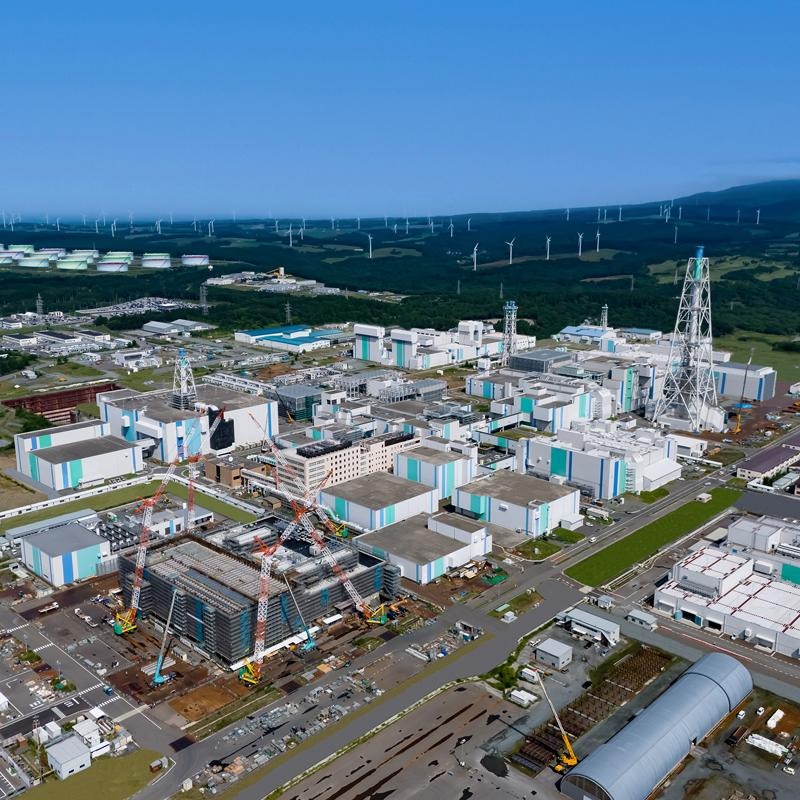
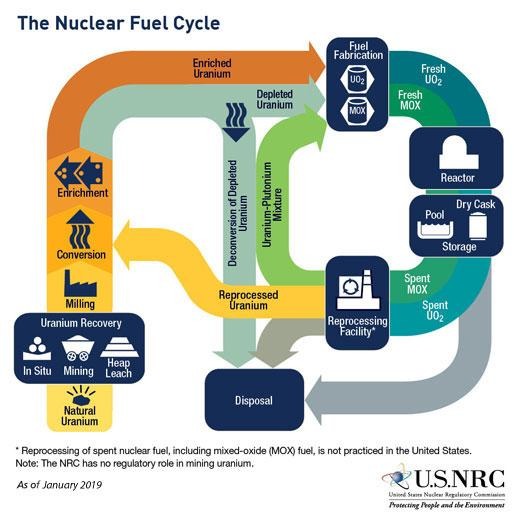
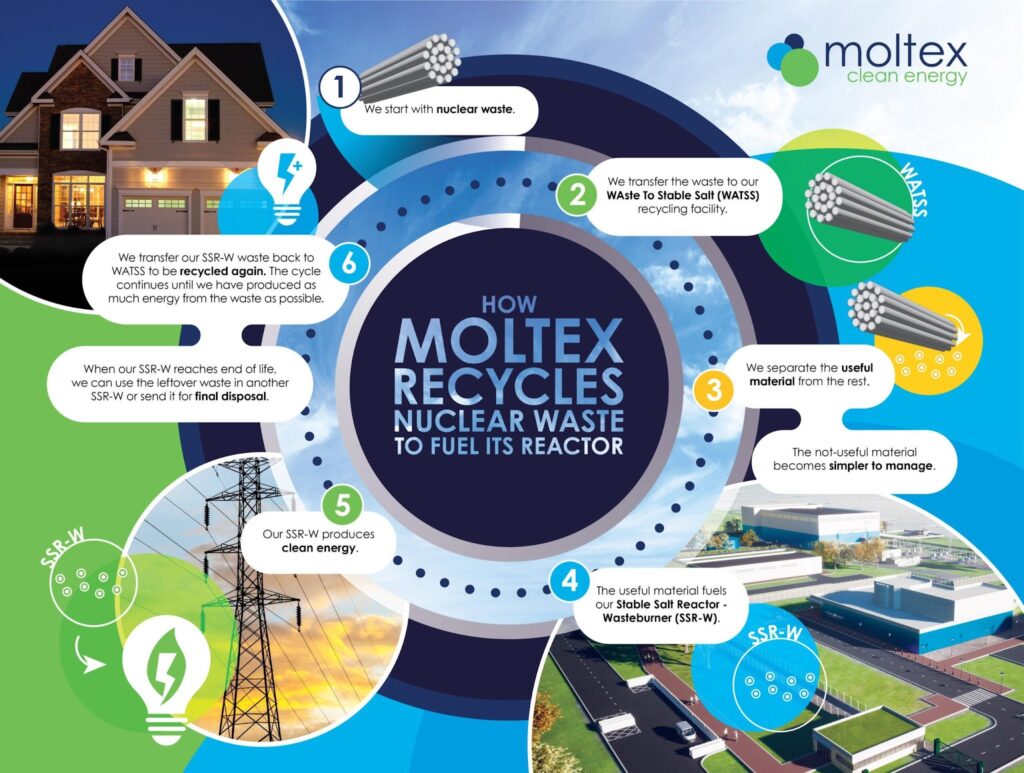
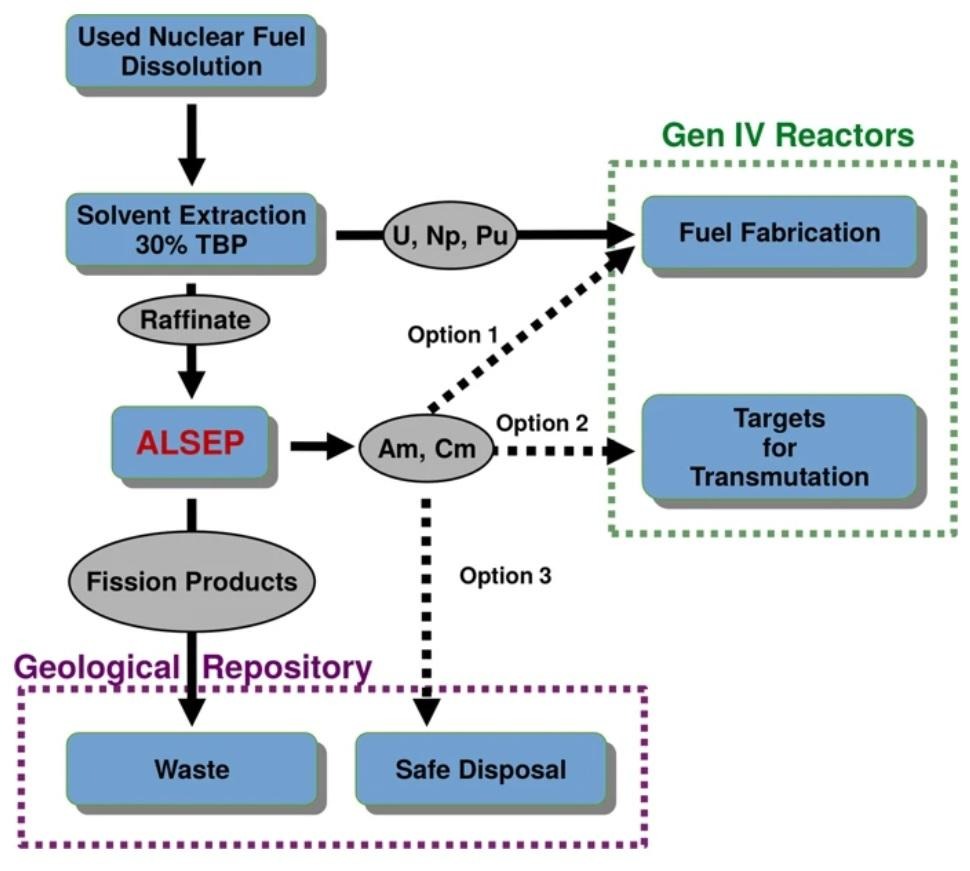
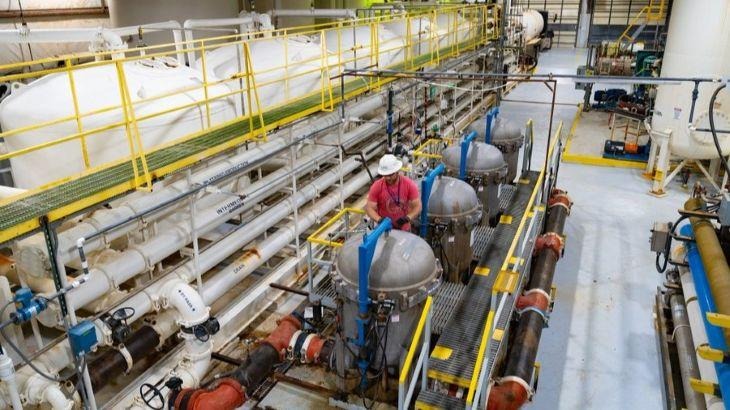
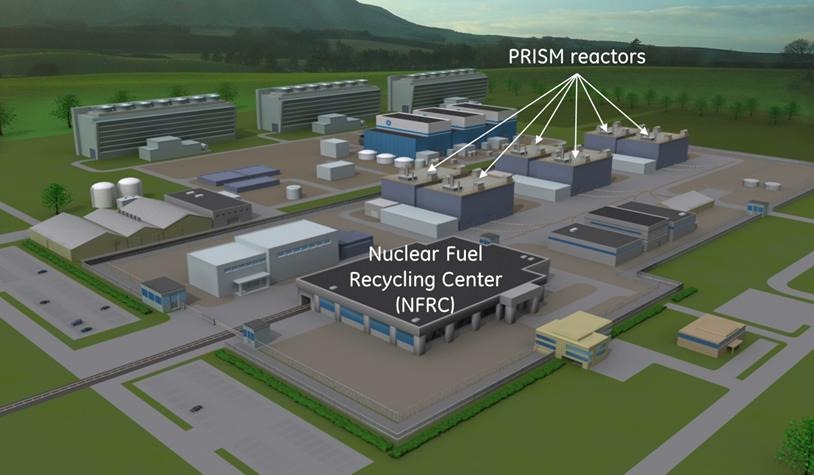
Some countries reprocess spent nuclear fuel to recover usable materials such as uranium and plutonium.
Reprocessing reduces the volume of high-level waste while extracting additional energy value from used fuel.
Benefits of Nuclear Fuel Recycling
- Reduces total waste volume
- Recovers reusable fuel materials
- Improves fuel efficiency
Concerns
- Expensive infrastructure
- Complex regulatory oversight
- Public concerns regarding plutonium handling
Despite challenges, advanced fuel recycling technologies continue to attract interest within the nuclear sector.
Next up : Emerging Technologies in Nuclear Waste Management.