
Introduction to Nuclear Energy and Safety Concerns
Nuclear energy has become an increasingly significant source of power in meeting global energy demands. First harnessed for electrical generation in the mid-20th century, nuclear power plants now contribute approximately 10% of the world’s electricity supply. Advocates of nuclear energy argue its advantages, including high energy output, low greenhouse gas emissions, and the availability of fuel resources. These features position nuclear power as a pivotal component in the transition to a more sustainable energy future.
However, nuclear energy is not without its challenges and safety concerns. Historical incidents, such as the Chernobyl disaster in 1986 and the Fukushima Daiichi incident in 2011, have left a lasting impact on public perception. These accidents have fueled misconceptions about the inherent risks associated with nuclear power, leading to widespread fear and apprehension in communities situated near nuclear facilities. Some common misconceptions include the belief that nuclear plants are inherently unsafe or that the radioactive waste produced by these facilities poses an insurmountable threat.
Public perception plays a crucial role in shaping attitudes toward nuclear safety. Often, communities may oppose the establishment or expansion of nuclear facilities due to fear of accidents, perceived environmental risks, and a lack of understanding of the safety measures in place. Nuclear power companies are tasked with bridging this gap, emphasizing safety protocols, advancing technology, and engaging in transparent communication to rebuild trust with local populations. By addressing safety concerns through education and community involvement, nuclear energy companies can not only alleviate the public’s anxiety but also foster a more informed dialogue about the role of nuclear power in achieving energy sustainability and security.
Understanding Nuclear Technology and its Safety Features
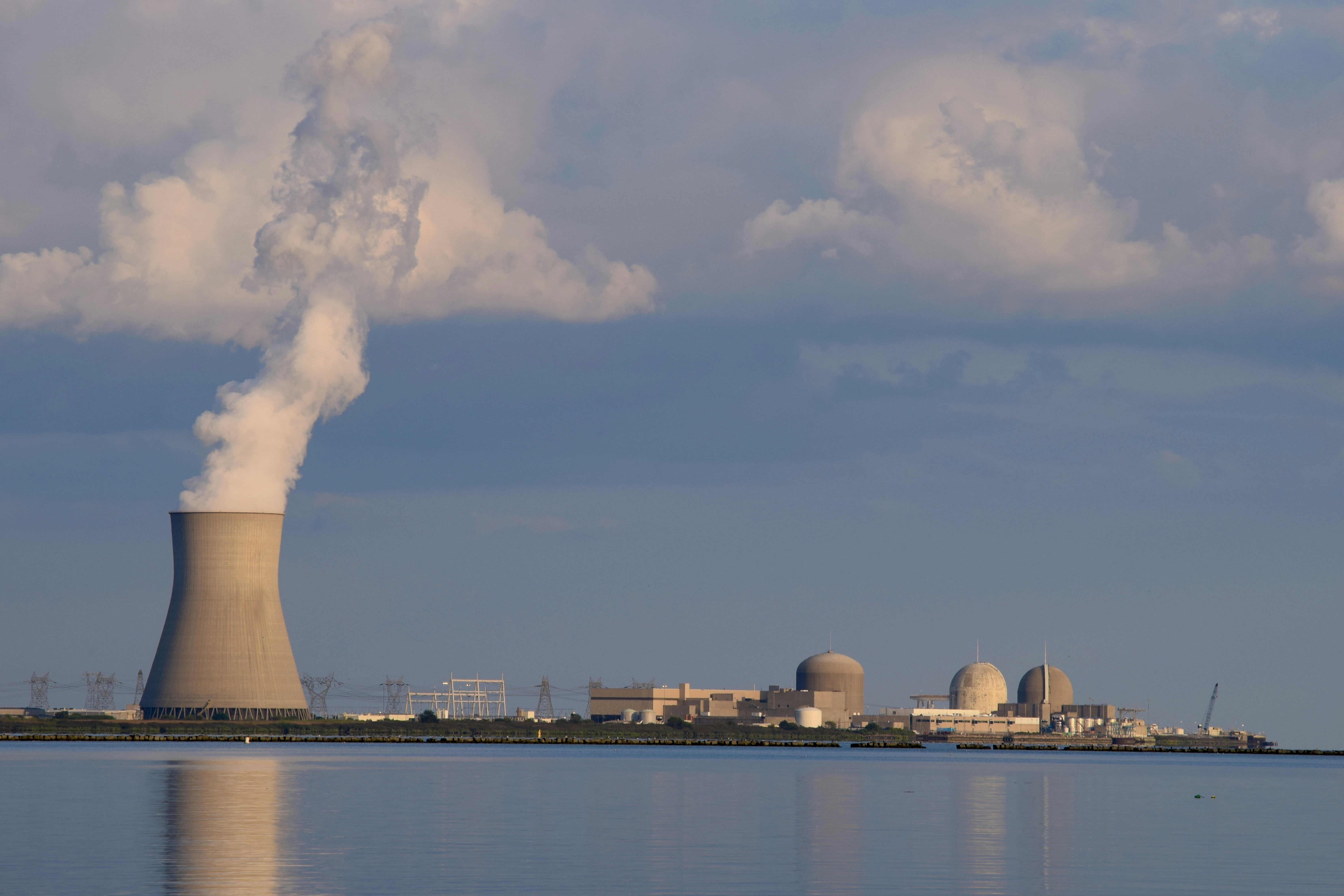
Nuclear technology plays a pivotal role in generating power, providing an alternative to fossil fuels while aiming for lower greenhouse gas emissions. At the core of this technology are nuclear reactors, which convert nuclear energy into electricity through a process known as nuclear fission. This involves the splitting of heavy atomic nuclei, typically uranium-235 or plutonium-239, which releases a significant amount of energy. The generated heat is then used to produce steam that drives turbines connected to electricity generators.
Over the years, advancements in nuclear reactor design have greatly enhanced safety features. Modern reactors incorporate robust systems aimed at preventing accidents and containing potential leaks. For instance, many of today’s reactors are designed with passive safety systems that function without the need for external power or human intervention. These systems utilize natural forces, such as gravity and natural convection, to ensure that the reactor remains safe even in emergency conditions.
Additionally, rigorous safety protocols are established by regulatory bodies to monitor and guide the operation of nuclear power plants. These protocols encompass regular inspections, emergency preparedness drills, and comprehensive safety assessments to identify potential risks. The companies operating these facilities are committed to adhering to stringent standards, implementing stringent training for their workforce, and regularly updating technologies to mitigate risks effectively.
Moreover, enhanced containment structures are employed to protect against external threats, including seismic events and potential terrorist attacks. Such comprehensive safety measures collectively reduce the likelihood of accidents and ensure that, in the rare instances that they may occur, the impact on public safety and the environment is minimized. Understanding these technological and safety improvements is essential in addressing concerns and fostering confidence in the nuclear power sector.
Community Concerns: Voices from the Public
As nuclear power continues to be a topic of significant discourse, community members have voiced various concerns regarding the implications of nuclear energy within their lives and surroundings. One of the primary worries is the potential health risks associated with nuclear facilities. Residents often express fears about exposure to radiation and its long-term effects, leading to anxiety over cancer and other health issues. A local resident, Jane Smith, articulates this sentiment, saying, “Every time I pass the nuclear plant, I can’t help but worry about what could happen if something goes wrong. I have children, and their future is my priority.” Such apprehensions reflect broader community sentiments about health safety.
Another critical area of concern emerges regarding environmental impact. Communities near nuclear power plants often fear contamination of local water supplies and soil. For instance, a community group from the town of Springville has raised alarms about the potential for toxic waste leaks into the environment. They argue that the long-term ecological consequences of nuclear energy are inadequately addressed. Member John Doe remarks, “We depend on our local ecosystems for our livelihoods. If nuclear operations harm that, it could affect generations to come.” This apprehension is particularly heightened in areas where farming and clean water access are paramount.
Finally, emergency preparedness is a major concern among residents in proximity to nuclear facilities. The fear of an accident or natural disaster impacting the safety of the plant has led many to question the preparedness of local emergency services. Matt Johnson, a community leader, emphasizes, “We were told that emergency drills were in place, but how often do they actually happen? People need to feel safe, knowing that they can rely on quick and effective responses if necessary.” These voices from the public highlight significant fears that underscore the need for transparent communication between nuclear power companies and the communities they affect.
The Role of Nuclear Power Companies in Building Trust
Nuclear power companies play a crucial role in addressing the safety concerns of the communities they serve. With the heightened scrutiny surrounding nuclear energy, it is essential for these companies to actively work towards building trust by being transparent and engaging with the public. The first step in fostering trust is effective communication; organizations must not only disseminate information regarding their safety protocols but also ensure that the language used is accessible to all stakeholders. This can involve simplifying technical jargon and providing clear, concise explanations of nuclear safety measures.
Transparency is another key aspect that nuclear power companies must prioritize. By openly sharing details about operational practices, safety inspections, and emergency preparedness, these companies can demonstrate their commitment to safety and accountability. Establishing regular reporting mechanisms and publicly disclosing safety records can help alleviate fears and misconceptions that the public may hold about nuclear energy. Furthermore, inviting independent audits and assessments can bolster credibility and reinforce the message of safety.
Public engagement initiatives are vital for fostering a sense of community involvement in nuclear safety discussions. This can take various forms, such as hosting town hall meetings, participating in community events, and establishing feedback channels that allow residents to voice their concerns. Additionally, forming partnerships with local organizations and educational institutions can facilitate outreach efforts and improve community understanding of nuclear safety practices. When people feel their voices are heard and their concerns are being addressed, trust in nuclear power companies is likely to grow.
Ultimately, by prioritizing effective communication, transparency, and public engagement, nuclear power companies can work towards bridging the gap between themselves and the communities they serve. This proactive approach not only promotes safety but also enhances public confidence in nuclear energy as a viable power source.
Case Studies: Successful Community-Nuclear Partnerships
The relationship between nuclear power companies and local communities has historically been marked by skepticism and apprehension. However, numerous case studies illustrate that successful partnerships can emerge through open communication, collaborative initiatives, and educational outreach.
One notable example is the partnership between the Vermont Yankee Nuclear Power Plant and its neighboring communities. In response to public concerns, the plant initiated a series of community engagement sessions, which allowed residents to voice their apprehensions and receive transparent, factual information about nuclear safety. This dialogue not only fostered trust but also resulted in a series of joint projects aimed at improving local infrastructure and environmental stewardship. Through these collaborative efforts, community members gained a deeper understanding of the nuclear industry, leading to a more informed and supportive public stance.
Another case is the collaboration between the San Onofre Nuclear Generating Station in California and local environmental groups. After an initial contentious relationship, both parties embarked on a dialogue aimed at addressing environmental concerns associated with nuclear operations. Through this cooperative engagement, they developed an environmental monitoring program that increased accountability and provided community members with access to real-time data on environmental impacts. This initiative not only highlighted the commitment of the power company to safety and environmental protection but also enhanced community trust and participation in decision-making processes.
These case studies demonstrate that successful community-nuclear partnerships are achievable when both parties prioritize open dialogue. By engaging communities through transparent communication and collaborative projects, nuclear power companies can dispel myths, build trust, and establish a path toward safer and more accepted nuclear energy operations. This proactive approach plays a vital role in ensuring that communities feel informed and involved in discussions regarding nuclear safety.
Policy and Regulatory Frameworks Supporting Nuclear Safety
Nuclear safety is governed by an intricate network of laws, regulations, and guidelines intended to ensure the protection of public health and safety. These frameworks vary across regions but share common goals: to mitigate risks associated with nuclear energy and to uphold the highest safety standards. In most countries, the government plays a pivotal role in establishing these legislative structures, supporting both safety and efficiency in nuclear operations.
The regulatory frameworks for nuclear safety are typically designed by designated government authorities. In the United States, for example, the Nuclear Regulatory Commission (NRC) is responsible for overseeing commercial nuclear power plants and ensuring compliance with safety standards. Similarly, in the United Kingdom, the Office for Nuclear Regulation (ONR) enforces safety regulations for nuclear facilities. These agencies conduct regular inspections and evaluations to assess compliance and address potential safety concerns. This oversight is crucial in maintaining a culture of safety within the nuclear sector.
In addition to national regulations, international guidelines set forth by organizations such as the International Atomic Energy Agency (IAEA) provide a framework for best practices in nuclear safety universally. By establishing comprehensive safety standards, these entities enable governments to implement robust policies that protect communities from nuclear incidents.
The role of independent regulatory bodies is also significant in the nuclear safety landscape. These organizations often serve as watchdogs, ensuring that nuclear power companies adhere to established safety protocols. Their independence from industry stakeholders enhances the credibility of the regulatory process, bolstering public trust in nuclear energy. Overall, these policies and regulatory frameworks act as vital instruments in safeguarding the communities from the risks associated with nuclear power, thus supporting its responsible deployment as a sustainable energy source.
Addressing Misinformation and Myths About Nuclear Energy
Nuclear energy has often been surrounded by misconceptions and unfounded fears that stem from historical events, miscommunication, and a lack of understanding of the technology itself. One prevalent myth is that nuclear power plants are inherently dangerous and prone to catastrophic failures. While it is true that the accidents at Chernobyl and Fukushima raised legitimate safety concerns, advancements in technology and rigorous safety standards have significantly mitigated these risks. Modern reactors are designed with multiple safety systems that automatically shut down the reactor in case of an emergency.
Another common myth is that nuclear energy contributes significantly to climate change. On the contrary, nuclear power is one of the most reliable low-carbon energy sources available today. Unlike fossil fuels that emit greenhouse gases, nuclear reactors produce minimal CO2 during operation, providing a crucial solution in the fight against climate change. In fact, studies show that the global expansion of nuclear energy could greatly assist in achieving carbon neutrality by 2050.
Additionally, the notion that nuclear waste is insurmountable and poses an ongoing threat is commonly overstated. While it is true that nuclear waste must be managed effectively, numerous countries have developed comprehensive strategies for waste storage and disposal. Advanced technologies are being researched, including recycling processes that can reduce the volume of waste and even repurpose it for further energy generation. Public perception often overlooks these realities in favor of sensationalized narratives.
Addressing misinformation surrounding nuclear energy is essential for fostering an informed public dialogue. By emphasizing scientific consensus and relying on factual information, it becomes clear that the benefits of nuclear energy—notably its efficiency and low emissions—outweigh the myths that have historically propelled public fear.
The Future of Nuclear Energy: Innovations and Opportunities
The future of nuclear energy is marked by a wave of innovations aimed at addressing safety, efficiency, and sustainability. Emerging technologies such as small modular reactors (SMRs) are gaining attention due to their ability to be deployed in a variety of settings, including remote and underserved areas. SMRs offer a promising solution to the concerns surrounding large-scale nuclear plants, as they can be built in factories and transported, which potentially reduces construction costs and timelines.
In addition to SMRs, advancements in reactor designs, such as advanced boiling water reactors and liquid metal cooled fast reactors, are being developed to improve the overall safety profile of nuclear energy. These designs incorporate passive safety systems, meaning they can automatically shut down in the event of an emergency without human intervention or external power. Such enhancements directly address community concerns about nuclear safety, which can foster greater public trust and acceptance of nuclear facilities.
Furthermore, the integration of digital technology within nuclear operations is transforming how power plants are managed and monitored. The implementation of artificial intelligence and machine learning can optimize operational efficiency while also enhancing safety measures through real-time data analysis and predictive maintenance systems. This digital transformation not only promises to reduce operational costs but also ensures higher reliability in nuclear power generation.
Communities play a crucial role in the future of nuclear energy as they become actively involved in shaping these advancements. Engagement through public forums and partnerships can help address misinformation and build a consensus on how to responsibly implement nuclear technologies. By understanding community needs and concerns, nuclear power companies can better align their innovations with public interests, paving the way for a safer and more efficient energy landscape.
Conclusion
The discussion surrounding nuclear safety is often riddled with misconceptions and anxiety, leading to a significant divide between local communities and nuclear power companies. Addressing these concerns is vital for fostering an environmentally responsible and economically viable energy solution. Through engaging in respectful dialogue, educating the public, and providing transparent information, both nuclear companies and communities can work collaboratively to bridge this gap.
It has become increasingly clear that the success of nuclear power projects hinges on the level of trust established between stakeholders. When communities feel they have a voice, and their concerns are genuinely considered, a solid foundation is built for mutual understanding and acceptance. Nuclear power companies must prioritize representation and accurate communication to mitigate fears that stem from misinformation.
Should you find yourself in need of assistance regarding your nuclear project, Torus Nuclear stands ready to help. With a commitment to fair representation and advocacy, they can be pivotal in ensuring that your project engages with the community effectively. Reaching out to Torus Nuclear can provide you with the necessary tools to facilitate an open dialogue, addressing concerns from local residents while ensuring that their perspectives are recognized and integrated into project planning.
In conclusion, the pursuit of nuclear energy must include a cooperative approach that respects community input. By advocating for open communication and collaboration, companies can dispel fears and garner support for nuclear projects. For those looking to navigate the complexities of nuclear representation, contact Torus Nuclear to ensure your project is handled with the fairness and accuracy it deserves.