
Introduction to Nuclear Decommissioning
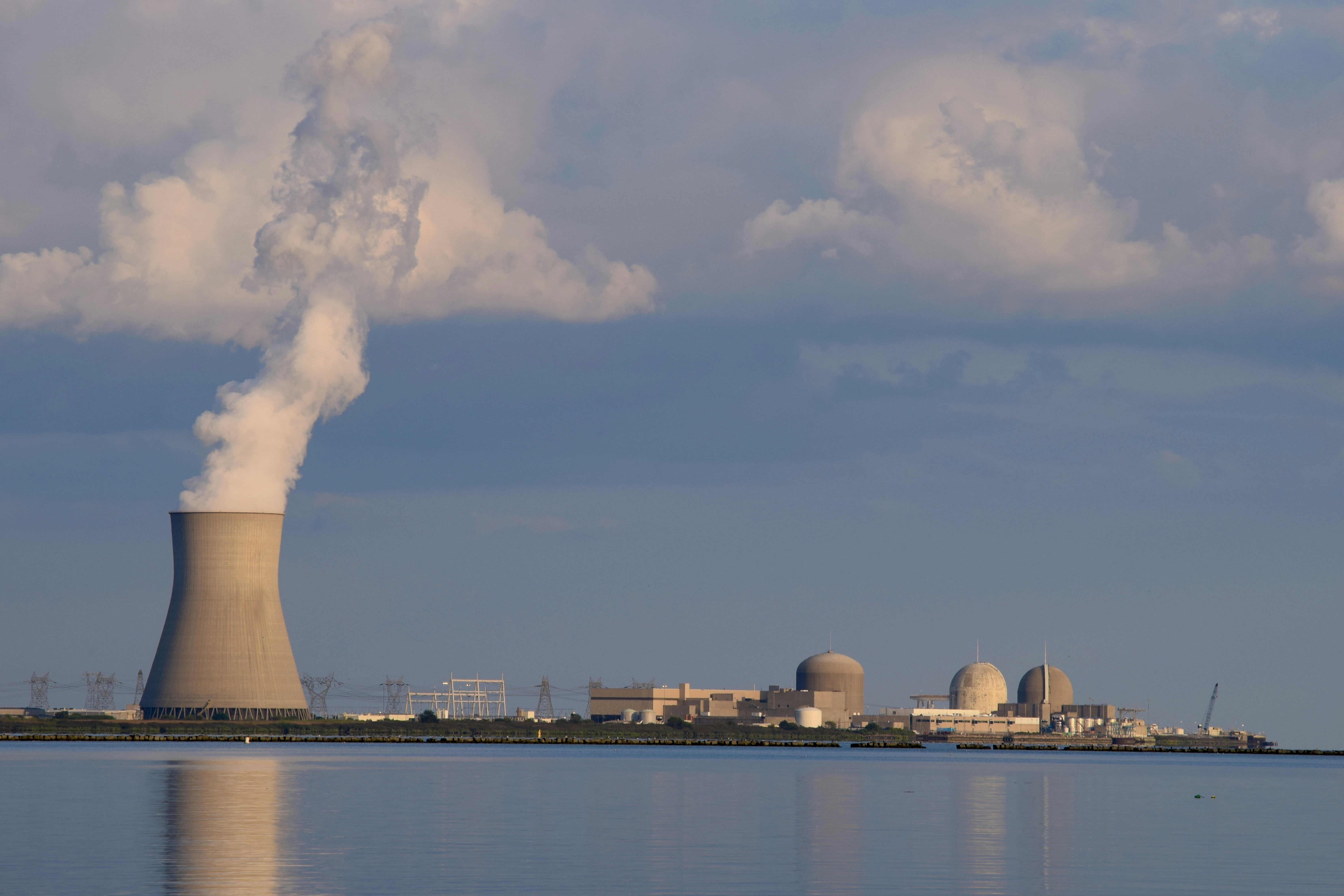
Nuclear decommissioning refers to the process of safely dismantling and deactivating a nuclear facility once it has reached the end of its operational life. This critical operation ensures that the environmental and health risks associated with nuclear power plants are effectively managed. Over the years, a variety of nuclear plants have been built, serving numerous energy needs; however, as these plants age, their operational integrity may decline, leading to potential hazards if not properly decommissioned.
The importance of nuclear decommissioning cannot be overstated. A decommissioned plant must be secured and monitored to prevent radiation leaks and ensure the safety of surrounding communities. Risks associated with the end-of-life phase for nuclear facilities include radioactive waste management, structural instability, and the potential for environmental contamination. Long-lasting radioactive materials pose serious dangers to public health and local ecosystems, necessitating rigorous decommissioning processes that adhere to stringent safety protocols.
Torus Nuclear plays a pivotal role in navigating the complexities inherent in nuclear decommissioning projects. With extensive expertise in dismantling processes and waste management, Torus Nuclear is committed to ensuring safety for both the environment and local populations. Their approach emphasizes systematic planning, regulatory compliance, and stakeholder engagement, which are essential components in the successful decommissioning of nuclear facilities. By partnering with seasoned professionals, organizations can effectively mitigate the risks associated with decommissioning while fostering transparent communication with communities impacted by the process.
Phases of Nuclear Decommissioning
Nuclear decommissioning is a complex process that involves several distinct phases, each crucial for ensuring safe and effective management of spent nuclear facilities. These phases include Planning, Decommissioning Strategy Development, Dismantling, Waste Management, and Site Restoration.
The initial phase, Planning, is fundamental to the success of any decommissioning project. During this stage, stakeholders including regulatory bodies, environmental groups, and community members come together to develop a comprehensive framework to guide the decommissioning process. Key activities in this phase involve risk assessment, project scheduling, resource allocation, and stakeholder engagement, ensuring alignment on the project’s goals and methodologies.
Following the planning phase, the next step is Decommissioning Strategy Development. This phase focuses on creating a detailed roadmap that outlines the chosen decommissioning methods, including whether it will be immediate dismantling, deferred dismantling, or entombment. Each approach has its own advantages, and the decision typically hinges on factors such as site-specific conditions, regulatory requirements, and public health considerations.
The Dismantling phase involves the physical disassembly of nuclear facilities. This process requires careful execution to mitigate hazards associated with radioactive materials. Specialized equipment and trained personnel are essential to safely remove structures and systems while continuously monitoring radiation levels. Effective communication protocols with the surrounding community are also implemented to ensure transparency during dismantling activities.
Waste Management is a critical component of nuclear decommissioning. This phase involves the proper segregation, transportation, and disposal of radioactive waste generated during dismantling. Facilities must follow stringent waste management regulations to ensure environmentally sound practices, often collaborating with government agencies to enhance safety protocols.
Lastly, Site Restoration involves rehabilitating and restoring the decommissioned site to its original or agreed-upon condition. This phase aims to mitigate any long-term environmental impacts, ensuring that the area is safe for future use, thus fostering community confidence and engagement. Through meticulously adhering to these phases, nuclear decommissioning projects can effectively safeguard both public health and the environment.
Checklists for Successful Decommissioning
Nuclear decommissioning is a complex process that necessitates careful planning and execution to ensure that environmental and community safety is prioritized. Project managers and stakeholders can benefit significantly from the use of structured checklists that outline essential tasks across the various phases of decommissioning. These checklists can serve as practical guides, helping to streamline the process and enhance compliance with regulatory requirements.
The first checklist should focus on initial assessments, which include a comprehensive review of all regulatory obligations, safety protocols, and environmental impact evaluations. It is crucial to conduct a thorough analysis of the site condition to determine the extent of contamination and hazards. This checklist should also consider the selection and verification of a qualified decommissioning contractor, ensuring they possess the right expertise and resources.
As the decommissioning progresses, a second checklist can be implemented that emphasizes ongoing safety assessments, waste management strategies, and monitoring of radioactive materials. Regular audits and inspections should be conducted to ensure adherence to safety standards. Furthermore, effective communication with regulatory bodies is vital during this phase, particularly when changes or unexpected challenges arise.
Finally, a checklist dedicated to community engagement is essential throughout the decommissioning process. Stakeholders must develop strategies to inform the community about progress and address any concerns. Organizing public meetings and disseminating informational materials can foster transparency and trust, which are key components in mitigating public apprehension regarding nuclear decommissioning activities.
By utilizing these structured checklists, project managers can ensure a systematic approach to nuclear decommissioning, reinforcing commitments to environmental protection and community safety while adhering to all regulatory requirements.
Conclusion and How Torus Nuclear Can Support Your Decommissioning Project
Nuclear decommissioning is a critical undertaking that requires meticulous planning and execution to ensure safety, environmental protection, and community health. Throughout this blog, we have discussed the significance of adopting a systematic approach to the decommissioning process, emphasizing the importance of regulatory compliance and adherence to environmental standards. Proper decommissioning not only mitigates potential hazards but also contributes to restoring the affected area, making it safe for future use.
Effective nuclear decommissioning involves collaboration among various stakeholders, including regulatory bodies, environmental professionals, and project managers. It is essential to implement robust project management practices that encompass risk assessment, waste management, and community engagement, thus fostering transparency and trust. The role of organizations like Torus Nuclear becomes crucial during this pivotal phase, as they bring specialized knowledge and experience necessary for navigating the complexities of decommissioning projects.
Torus Nuclear offers a comprehensive suite of services designed to support every aspect of the decommissioning process. Their expertise in project management ensures that initiatives are executed efficiently, adhering to budgets and timelines while prioritizing safety. Additionally, Torus Nuclear provides valuable assistance in ensuring regulatory compliance, which is vital for maintaining both legal and environmental standards. Their technical expertise allows them to join forces with clients to develop tailored strategies that address unique challenges faced during decommissioning.
For organizations considering or currently undergoing nuclear decommissioning, partnering with Torus Nuclear delivers a pathway toward a safe and effective transition. By leveraging their knowledge and resources, stakeholders can navigate the decommissioning process with confidence, ultimately protecting the environment and safeguarding community health.